Homemade Labneh: Thicker Than Greek Yogurt, From One Gallon of Milk
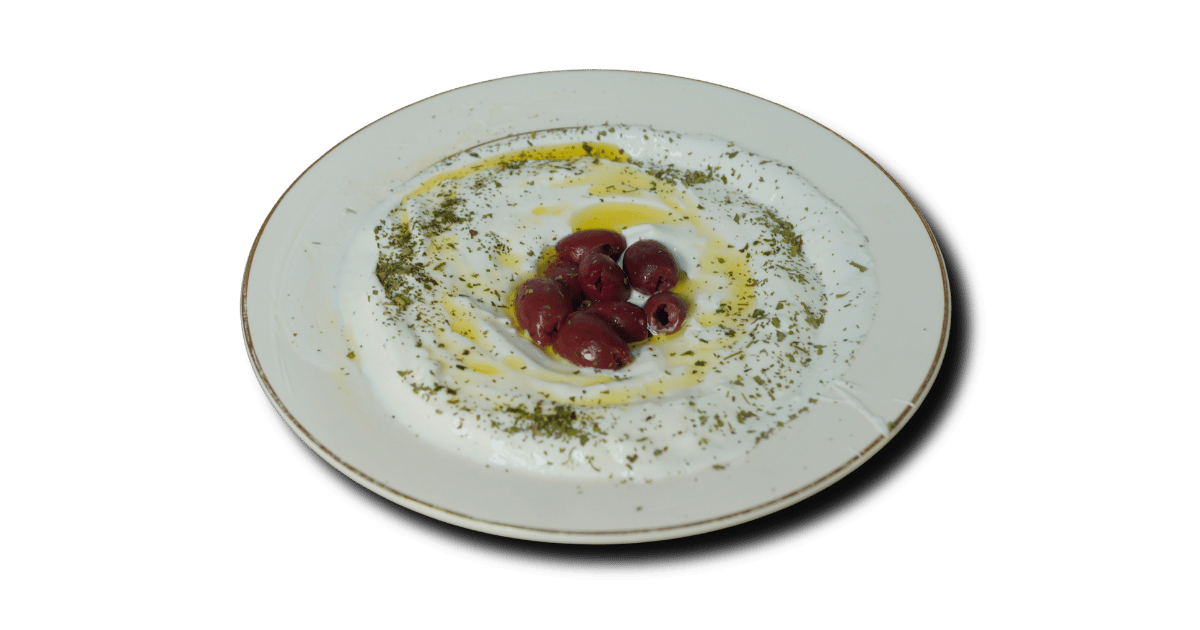
Good labneh is hard to find, and when you do find it, it comes in a small tub at a big price. The fix is sitting in your fridge. A gallon of milk, a few spoonfuls of yogurt and some patience turn into a big batch of the thick, tangy spread that anchors every Middle Eastern breakfast table I know.
What is labneh?
Labneh is yogurt strained until most of the whey is gone. Greek yogurt is strained too, but labneh keeps going. The result is thick enough to spread, rich enough to hold a pool of olive oil, and tangy enough to stand up to olives, cucumbers and warm pita bread. You'll find it across the Levant, and it was always on the table in the Aleppo and Western Armenian kitchens I grew up around.
Why make it from scratch
Making labneh is mostly waiting. The hands-on work is maybe 15 minutes. The rest is the milk doing its thing overnight and the whey dripping out in your fridge. And you control everything: the milk, the tang, the thickness. There are no gums or stabilizers, just milk and yogurt.
The two temperatures that matter
If you remember nothing else, remember 180°F and 120°F.
Heating the milk to 180°F changes the milk proteins so the yogurt sets thick instead of runny. Take your time getting there. A full gallon takes 25 to 30 minutes on medium-high, and stirring keeps the bottom from scorching. A little olive oil on the pot before you start helps too.
Then let it cool to 120°F before the yogurt goes in. Too hot and you kill the culture, and it won't set. My test: if you can't keep your finger in it, it's not ready.
The milk powder trick
Whisking milk powder into the cold milk before you heat it adds body and yield. It's the difference between regular yogurt and yogurt that's ready to become labneh. Whisk until there are no small lumps left.
Ferment, then strain
Once the yogurt is stirred in, cover the pot, wrap it in a blanket and leave it somewhere warm for at least 12 hours. The longer it goes, the tangier it gets, so taste and decide what you like.
Then pour it into a cheesecloth-lined strainer over a bowl and let it drain in the fridge for at least 24 hours. You'll know it's done when a spoon stands up in it. Give it a hard stir at the end and it turns silky.
How to serve it
Spread it in a shallow bowl, make a swirl with the back of a spoon, fill it with good olive oil and finish with dried mint. Serve it with pita bread, cucumbers, tomatoes and olives, and you have breakfast. It also belongs on any mezze spread.
Storing and making ahead
Labneh keeps in an airtight container in the fridge for up to a week. A thin layer of olive oil on top helps it stay fresh. It's a great make-ahead for guests: strain it two or three days early and garnish right before serving.
One more tip: before you strain, save a few spoonfuls of the set yogurt. That's your starter for the next batch.
Use the recipe card below to scale the batch to your table, then print the shopping list and method.
Scale it to your table
Only have part of a gallon, or a little yogurt left? Tap − / + on that ingredient and everything else adjusts.
